
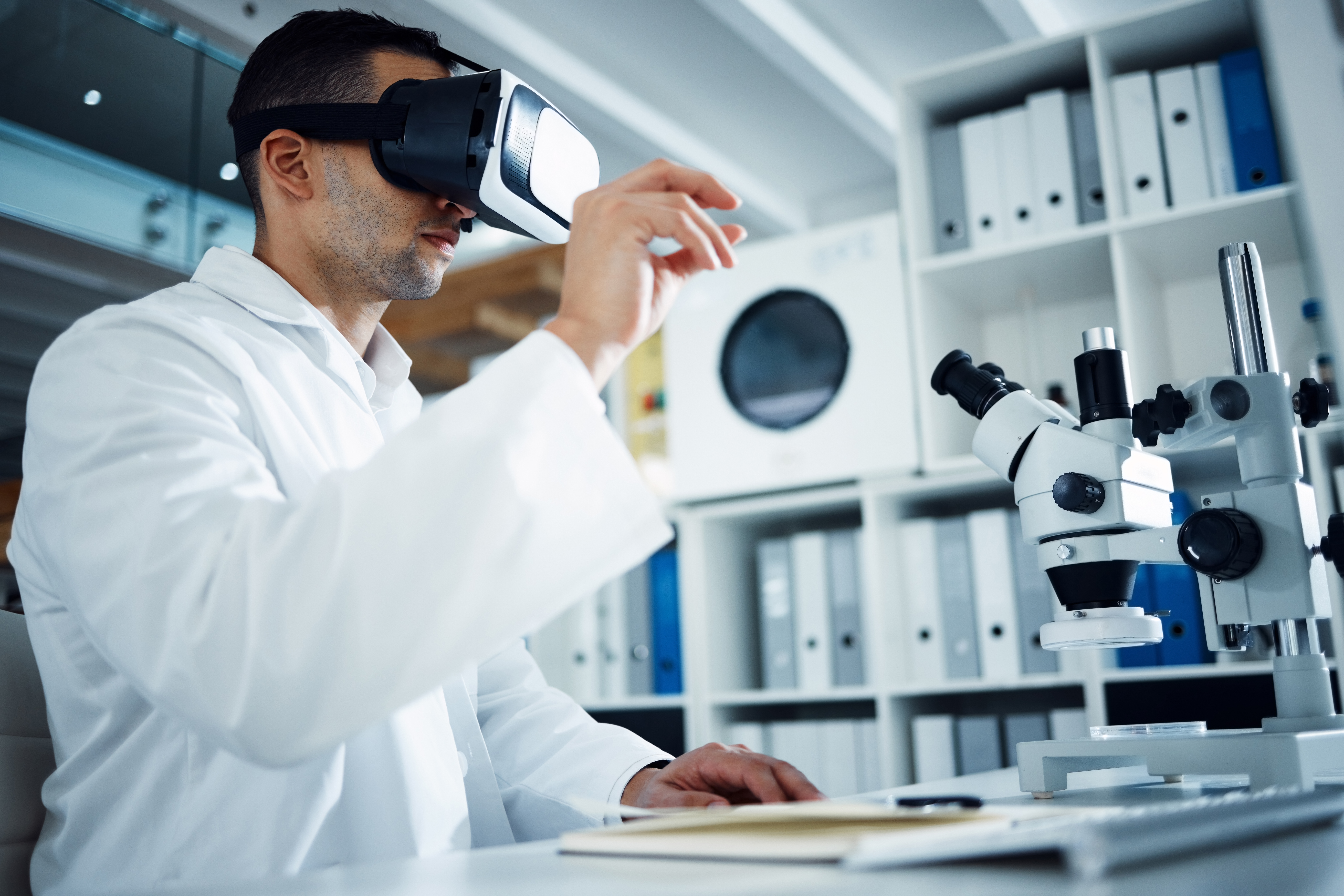
The Future of Radiology Includes AI And Human Expertise
AI in radiology is no longer a future concept. It is already helping clinicians prioritize urgent cases, detect abnormalities, improve imaging workflows, and reduce reporting delays across healthcare systems.
Yet despite ongoing speculation about automation in medicine, the real story is not about AI replacing radiologists. It is about how technology is helping healthcare professionals manage growing imaging volumes, staffing shortages, and increasing pressure to deliver faster, more accurate diagnoses.
In many ways, AI has become radiology’s quiet roommate—working in the background, supporting decision-making, and gradually becoming part of everyday clinical practice.
How AI is supporting radiology today
To understand the growing role of AI, it helps to look beyond science fiction and focus on what’s actually happening inside healthcare systems.
At its core, AI in radiology uses algorithms trained on large datasets of medical images to identify patterns, detect abnormalities, and assist radiologists during interpretation. These systems can analyze X-rays, CT scans, MRIs, and ultrasounds within seconds.
According to the Radiological Society of North America (RSNA), AI applications are already being used for:
- Detecting lung nodules
- Identifying strokes in emergency imaging
- Prioritizing urgent cases
- Measuring tumor growth
- Improving image quality
- Supporting workflow efficiency
This is where radiology workflow automation becomes especially important. Instead of replacing radiologists, AI handles repetitive and time-sensitive tasks that consume valuable hours.
For example, an AI system can instantly flag a possible brain hemorrhage on a CT scan and move that case to the top of the radiologist’s worklist. In emergency settings, those saved minutes can directly affect patient survival.
The result is not fewer radiologists — but radiologists who can focus more on clinical judgment and patient-centered care.
AI in emergency medicine is changing response times
Few areas benefit more from AI-powered imaging than emergency departments.
Emergency physicians often face overwhelming volumes of scans, especially during trauma situations or peak patient surges. Delays in reading images can create treatment bottlenecks and increase clinical risk.
That’s why AI in emergency medicine has gained so much momentum.
AI tools now assist with:
- Stroke detection
- Pulmonary embolism alerts
- Fracture identification
- Internal bleeding recognition
- Critical triage prioritization
Organizations such as the American College of Radiology have highlighted how AI can enable faster intervention in acute care settings.
Imagine a busy ER receiving dozens of scans every hour. An AI system can instantly identify the scans most likely to contain life-threatening findings, helping radiologists review critical cases first.
That doesn’t eliminate human oversight. Instead, it creates a smarter queue.
In healthcare, speed matters — but accuracy matters even more. AI helps improve both.
The real conversation: radiologist burnout
One of the most overlooked benefits of AI is its potential impact on Radiologist Burnout.
Radiologists today handle enormous imaging volumes. The demand for imaging continues to grow, while staffing shortages persist across many healthcare systems.
A study published by the National Institutes of Health (NIH) examined how increased workloads contribute to fatigue, diagnostic pressure, and emotional exhaustion among radiologists.
Burnout in radiology isn’t simply about long hours. It’s about constant cognitive strain:
- Reviewing thousands of images daily
- Maintaining diagnostic precision
- Managing reporting turnaround times
- Handling administrative burdens
This is where AI becomes valuable as an assistant rather than a replacement.
By automating repetitive processes such as image sorting, measurement calculations, and preliminary prioritization, AI reduces friction in daily workflows. Many clinicians describe this shift not as “working with machines,” but as finally getting breathing room.
The irony is that some of the strongest supporters of AI are radiologists themselves.
Will AI replace radiologists?
This question dominates almost every conversation about healthcare AI.
Will AI replace radiologists?
The short answer: highly unlikely.
AI is excellent at pattern recognition. Radiologists are excellent at contextual reasoning, clinical judgment, multidisciplinary collaboration, and communicating findings within a broader patient story.
A scan is never just a scan.
Radiologists consider:
- Patient history
- Prior imaging comparisons
- Clinical symptoms
- Laboratory findings
- Treatment implications
AI can detect probabilities. Humans interpret meaning.
Even the most advanced AI-assisted medical diagnosis systems still require physician oversight. Regulatory bodies and healthcare organizations consistently position AI as a support tool rather than an autonomous decision-maker.
In reality, the future likely belongs to radiologists who know how to work effectively with AI.
The profession is evolving — not disappearing.
Teleradiology and the rise of remote imaging
Another major shift tied to AI is the rapid growth of Teleradiology. Teleradiology allows radiologists to interpret scans remotely, enabling hospitals to access expertise regardless of location. This became especially critical during the COVID-19 pandemic, when healthcare systems needed flexible imaging support across regions.
Today, many teleradiology companies combine remote reporting platforms with AI-powered workflow tools to improve efficiency and turnaround times.
Companies such as
- Early cancer detection
- Cardiovascular risk prediction
- Neurological disease progression
- Precision oncology support
According to the World Health Organization (WHO), responsible AI adoption in healthcare must prioritize safety, ethics, transparency, and human oversight.
That balance matters.
Healthcare isn’t just about efficiency. It’s about trust.
Patients still want human physicians guiding decisions about their health. AI may enhance the process, but empathy and accountability remain deeply human responsibilities.
Why AI in radiology matters more than ever
Healthcare systems worldwide are under pressure:
- Rising patient volumes
- Staffing shortages
- Aging populations
- Increasing imaging demand
AI helps address these challenges without compromising care quality.
The value of AI in radiology isn’t simply technological innovation. It’s sustainability.
By improving workflows, reducing delays, and supporting clinicians, AI allows radiology departments to scale more effectively while maintaining diagnostic precision.
Most importantly, it gives radiologists something increasingly rare in modern healthcare: time.
Time to think carefully.
Time to collaborate.
Time to focus on patients rather than paperwork.
And perhaps that’s the best way to understand AI’s role in radiology today.
Not as a loud replacement.
Not as a futuristic threat.
But as the quiet roommate, helping healthcare function a little better every day.
editor's pick
Subscribe to the Healthcare Digital Digest newsletter
Subscribe to Healthcare Digital Digest for thoughtful insights on people strategy, workplace culture, talent tech, and the future of work, delivered straight to your inbox.
